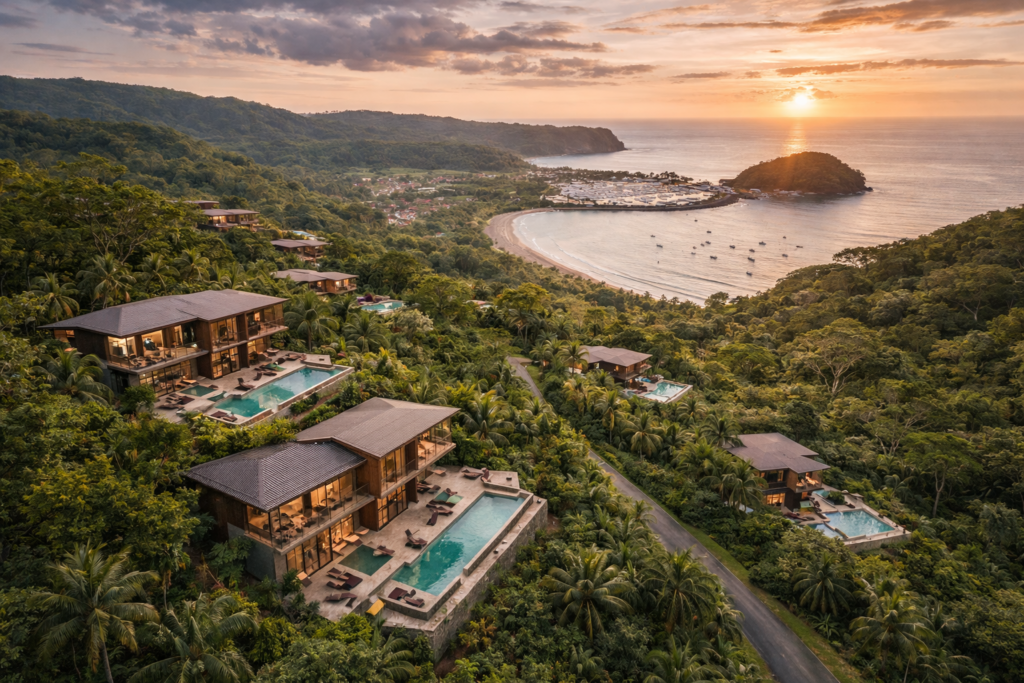
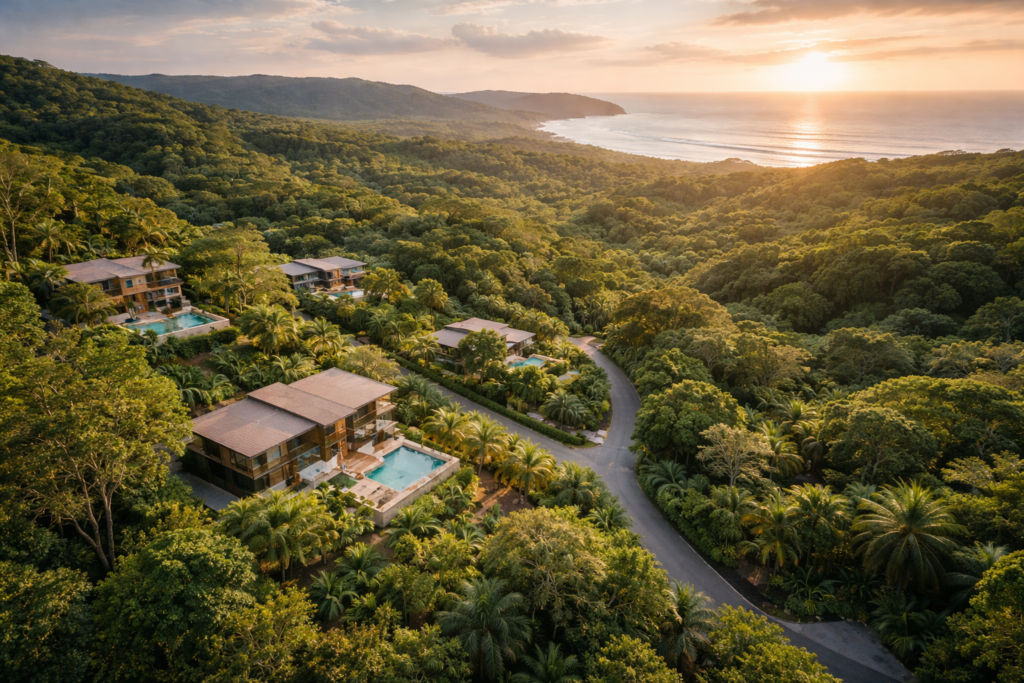
Overview of Aguila De Osa Eco-Lodge in Drake Bay, Osa Peninsula, Costa Rica
Comprehensive Property Overview
Detailed Overview of Aguila De Osa Eco-Lodge
Perched above Drake Bay, this bamboo-constructed luxury lodge features 13 guestrooms spread across six separate buildings. You’ll discover wide porches with rocking chairs and hammocks that offer stunning views of the rainforest canopy and ocean. The property welcomes families and provides attentive, approachable service throughout your stay.
Establishing Authenticity in the Osa Peninsula
Bamboo construction and treehouse-style architecture create an authentic rainforest experience at this eco-lodge. You’ll find yourself immersed in nature while enjoying luxury accommodations. The property’s design respects the surrounding environment and enhances your connection to the pristine Osa Peninsula wilderness.
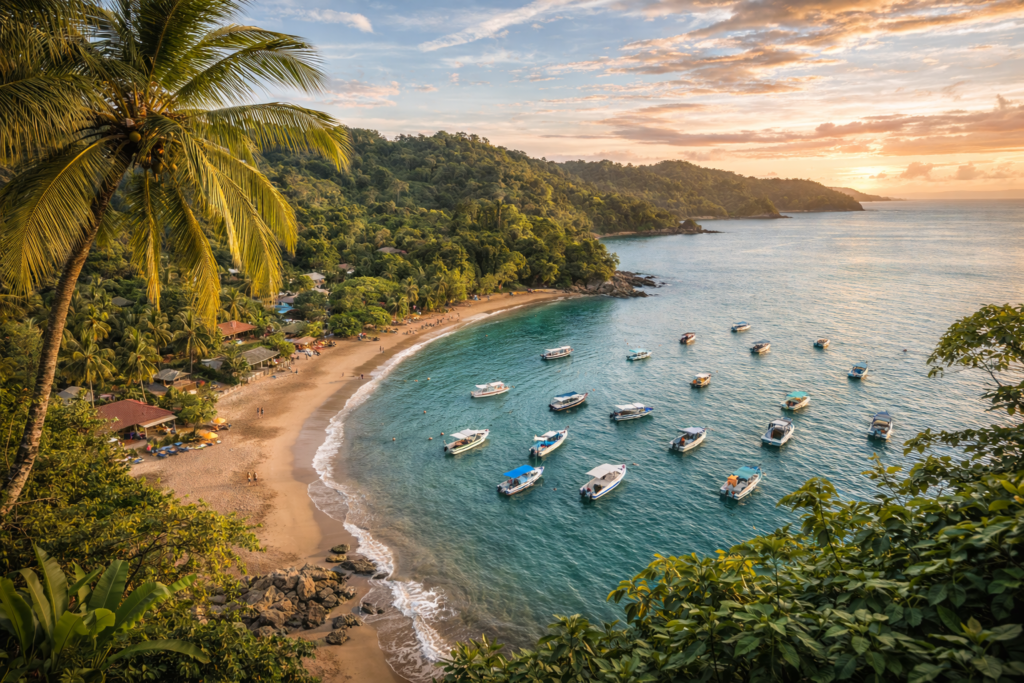
Your experience at Aguila de Osa reflects genuine commitment to sustainable tourism practices. The lodge’s small footprint and natural materials minimize environmental impact while maximizing your immersion in one of Costa Rica’s most biodiverse regions. Local staff members share their knowledge of the area, helping you understand the cultural and ecological significance of the Osa Peninsula. The property’s location in Drake Bay positions you perfectly for authentic marine and rainforest adventures.
Analyzing the Pros and Cons of Your Stay
Weighing the advantages and drawbacks helps you make an informed decision about your accommodation. You’ll find specific benefits and limitations that may affect your experience at this unique property.
| Pros | Cons |
| Stunning ocean and rainforest views | Remote location requires boat or plane access |
| Eco-friendly bamboo construction | Spread-out property requires walking between buildings |
| Gourmet dining with complimentary welcome drinks | Limited dining options in immediate area |
| Spacious porches with hammocks and rocking chairs | Only 13 rooms may book quickly |
| Family-friendly atmosphere | Rustic design may lack some modern amenities |
| Helpful and approachable staff | Higher price point for the region |
| Direct access to marine adventures | Weather can impact outdoor activities |
| Intimate, small property setting | Limited on-site entertainment options |
Your decision to stay at Aguila de Osa depends on your priorities and travel style. The property excels in providing an authentic rainforest experience with luxury touches, but you should consider the remote location and rustic design elements. Families appreciate the welcoming atmosphere and spacious accommodations, while couples value the intimate setting and natural surroundings. The gourmet dining and complimentary welcome drinks add value to your stay, though the isolation means you’ll rely primarily on the lodge’s facilities. Wildlife enthusiasts and adventure seekers will find the location ideal for exploring Drake Bay’s marine and terrestrial ecosystems.
Prime Location and Geographical Context
Strategic Location within Drake Bay
Perched on a hillside overlooking Drake Bay, you’ll find Aguila de Osa positioned perfectly between pristine rainforest and the Pacific Ocean. Your accommodations offer unobstructed views of the bay’s turquoise waters while remaining immersed in dense jungle canopy, creating an ideal base for exploring both marine and terrestrial ecosystems of the Osa Peninsula.
Proximity to Corcovado National Park
You’re situated just a short boat ride from Corcovado National Park, one of Central America’s most biodiverse protected areas. The lodge’s Drake Bay location provides convenient access to multiple park entrances, making daily expeditions both practical and efficient for your wildlife exploration adventures.
Corcovado National Park encompasses over 164 square miles of pristine wilderness and protects 2.5% of the world’s biodiversity within its boundaries. You can explore four different ranger stations from the lodge, each offering unique trails through primary rainforest where encounters with scarlet macaws, tapirs, jaguars, and all four Costa Rican monkey species are possible. The park’s remote beaches also serve as critical nesting sites for endangered sea turtles, giving you opportunities to witness these ancient creatures during specific seasons.
Navigating the Remote Terrain of the Osa Peninsula
Reaching the lodge requires either a small charter flight to Drake Bay or a combination of road and boat travel, as no paved roads connect this isolated region. Your journey reflects the peninsula’s commitment to preserving its untouched character and limiting development in this ecologically sensitive area.
The Osa Peninsula remains one of Costa Rica’s most challenging regions to access by design, protecting its exceptional ecosystems from mass tourism. You’ll travel either via a 20-minute flight from San José over breathtaking coastal scenery or take a scenic route combining a drive to Sierpe followed by a river and ocean boat transfer. This isolation means you’ll experience authentic wilderness without crowds, though you should plan your arrival carefully and coordinate transportation with the lodge in advance to ensure smooth transfers.
Accommodations and Interior Excellence
Your stay at Aguila de Osa includes 13 guestrooms distributed across six separate buildings, with two exclusive single-room cabins offering enhanced privacy. Each accommodation features expansive porches equipped with rocking chairs and hammocks, providing unobstructed views of both the rainforest canopy and Drake Bay’s shimmering waters.
Design Aesthetics of Rooms and Bathrooms
Bamboo construction defines the lodge’s rustic, treehouse-inspired aesthetic throughout all guest quarters. You’ll experience authentic jungle living without sacrificing comfort, as natural materials blend seamlessly with thoughtful design elements. The open-concept layout creates an immersive connection between your private space and the surrounding wilderness.
Sustainable Luxury and Tropical Architecture
Bamboo serves as the primary building material throughout the property, reflecting a commitment to eco-conscious construction methods. You’ll appreciate how this renewable resource creates both structural integrity and authentic rainforest ambiance while minimizing environmental impact on the delicate Osa Peninsula ecosystem.
The lodge’s architectural philosophy embraces biophilic design principles, where your accommodation becomes an extension of the surrounding environment rather than an intrusion upon it. Bamboo’s natural properties provide excellent insulation against tropical heat while offering superior flexibility during seismic activity. You’ll notice how the material’s organic texture and warm tones complement the verdant surroundings, creating a cohesive visual experience. The construction method supports local craftsmanship and reduces the carbon footprint associated with conventional building materials, allowing you to enjoy guilt-free luxury in one of the world’s most biodiverse regions.
In-Room Comforts and Natural Ventilation
Your room benefits from strategic architectural design that maximizes airflow throughout the space. The open-plan structure allows ocean breezes to circulate freely, maintaining comfortable temperatures without artificial cooling systems. This natural climate control enhances your connection to the tropical environment surrounding you.
Strategic window placement and elevated construction create a cross-ventilation system that keeps your accommodation naturally cool throughout the day and night. You’ll find the design particularly effective during humid afternoons when coastal winds sweep through the canopy. The absence of air conditioning isn’t a compromise but rather an intentional choice that allows you to maintain acoustic connection with the rainforest’s symphony of wildlife. Your porch becomes an extension of the living space, offering shaded retreat areas where you can relax in hammocks while enjoying constant airflow. This passive cooling approach aligns with the lodge’s sustainability mission while providing authentic immersion in the Osa Peninsula’s tropical climate.
Wildlife Encounters and Biodiversity
Your stay at Aguila de Osa places you directly within one of Earth’s most biodiverse regions. The Osa Peninsula hosts approximately 2.5% of the world’s biodiversity, and you’ll find countless opportunities to observe rare species right from your cabin’s porch or during organized excursions into surrounding habitats.
Observing Local Wildlife on the Lodge Grounds
Scarlet macaws frequently fly overhead while howler monkeys call from nearby trees throughout the day. You can spot toucans, sloths, and poison dart frogs without leaving the property. The lodge’s strategic position between rainforest and ocean creates a natural corridor where wildlife thrives undisturbed.
Guided Nature Excursions and Species Identification
Expert naturalist guides lead daily treks through primary rainforest, helping you identify the four monkey species native to Costa Rica. Your guides carry spotting scopes and field guides to enhance wildlife viewing and provide detailed information about each species’ behavior and ecological role.
Professional guides at the lodge possess extensive training in tropical ecology and years of experience navigating Osa’s terrain. They know exactly where to find elusive species like tapirs, ocelots, and the endangered Baird’s trogon. During your excursions, guides share insights about plant-animal relationships, medicinal properties of native flora, and conservation challenges facing the peninsula. You’ll learn to distinguish between similar-looking species and understand the interconnected web of life that makes this ecosystem function. Night walks reveal an entirely different world of nocturnal creatures, including glass frogs, kinkajous, and various owl species that remain hidden during daylight hours.
Marine Biodiversity and Coastal Ecosystems
Drake Bay’s protected waters teem with humpback whales, dolphins, sea turtles, and vibrant coral formations. Snorkeling trips reveal parrotfish, rays, and schools of tropical fish navigating underwater gardens. The mangrove estuaries serve as nurseries for countless marine species you’ll encounter during boat excursions.
Boat-based adventures from the lodge grant you access to Caño Island Biological Reserve, considered one of Central America’s premier diving and snorkeling destinations. The convergence of warm and cool ocean currents creates nutrient-rich waters that support an extraordinary variety of marine life. You might witness spinner dolphins performing acrobatic displays or observe whale sharks gliding through deeper channels. Seasonal migrations bring humpback whales from both hemispheres, making the Osa Peninsula one of few places globally where you can see these giants year-round. Your captain and marine naturalist will identify different species, explain their migratory patterns, and ensure respectful wildlife viewing practices that protect these sensitive ecosystems for future generations.
On-Site Amenities and Guest Services
Your stay at Aguila de Osa includes access to thoughtfully designed facilities that complement the natural surroundings. The lodge features a separate restaurant building where you’ll receive complimentary welcome drinks upon arrival. The property’s bamboo construction and spread-out layout across multiple buildings creates an intimate, treehouse atmosphere while maintaining privacy between guest accommodations.
Culinary Offerings and Dining Amenities
Gourmet dining awaits you at the lodge’s dedicated restaurant building, where meals showcase local flavors and fresh ingredients. The separate dining structure provides panoramic views of Drake Bay and the surrounding rainforest canopy. You’ll enjoy your culinary experience in an open-air setting that brings the jungle atmosphere directly to your table.
Adventure Concierge and Tour Desk Services
Professional staff members at the tour desk help you arrange excursions throughout the Osa Peninsula and Drake Bay area. You’ll find the team approachable and knowledgeable about local marine and rainforest adventures. Their expertise ensures you maximize your time exploring this biodiverse region.
The lodge’s concierge services connect you with experienced guides for activities ranging from snorkeling and diving in Drake Bay to wildlife spotting expeditions through Corcovado National Park. You can book multi-day packages or single excursions based on your interests and schedule. The staff coordinates transportation, equipment, and timing to ensure smooth experiences. Their local connections provide access to both popular attractions and hidden gems throughout the peninsula that independent travelers might miss.
Wellness and Relaxation Spaces in the Rainforest
Private porches attached to each guestroom serve as your personal relaxation sanctuary within the canopy. You’ll find rocking chairs and hammocks positioned to capture ocean and jungle views. These outdoor spaces allow you to unwind while immersed in the sights and sounds of the rainforest.
The lodge’s design philosophy prioritizes natural wellness through connection with the environment rather than traditional spa facilities. You can practice yoga on your private porch at sunrise, meditate to the sounds of howler monkeys and tropical birds, or simply rest in your hammock while watching the sunset over Drake Bay. The spread-out property layout ensures each cabin maintains distance from others, creating peaceful zones where you won’t be disturbed by neighboring guests. This approach to wellness emphasizes the healing properties of nature itself, allowing the rainforest to become your therapy space.
Family-Friendliness and Group Travel
Aguila de Osa welcomes families with open arms, offering a safe and engaging environment for travelers of all ages. You’ll find the staff exceptionally attentive to children’s needs while maintaining the property’s tranquil atmosphere. The lodge’s intimate size allows for personalized service that makes group coordination effortless.
Activities Tailored for Families and Children
Your children can participate in guided nature walks, tide pool explorations, and wildlife spotting adventures designed for younger guests. The lodge arranges age-appropriate snorkeling excursions and boat tours that keep kids engaged without overwhelming them. Experienced guides adapt their presentations to captivate curious young minds.
Safety Protocols for Young Travelers in Remote Areas
You’ll benefit from comprehensive safety measures including life jackets in multiple sizes, trained guides with first-aid certification, and constant supervision during water activities. The property maintains clear pathways and secure railings throughout the elevated structures to prevent accidents.
Staff members conduct thorough safety briefings before each excursion, explaining potential hazards specific to the Osa Peninsula’s unique environment. You’ll receive detailed instructions about staying on designated trails, identifying safe swimming areas, and recognizing wildlife that requires extra caution. The lodge maintains direct communication with local medical facilities and keeps emergency evacuation protocols ready, though the remote location means you should pack any necessary medications and inform staff of special medical needs upon arrival.
Educational Value and Nature-Based Learning
Your family will gain hands-on knowledge about rainforest ecosystems, marine biology, and conservation efforts through interactive experiences. Naturalist guides share fascinating details about endemic species, sustainable practices, and the delicate balance of tropical environments.
Children leave with a deeper understanding of biodiversity as they observe scarlet macaws, sloths, and dolphins in their natural habitats rather than through screens or textbooks. The lodge partners with local conservation initiatives, allowing you to learn about sea turtle protection programs and reforestation projects. Guides encourage questions and curiosity, transforming each outing into an immersive classroom where your children develop environmental awareness and appreciation for protecting fragile ecosystems that extend far beyond their vacation experience.
Hotel Information and Guest Feedback
Essential Hotel Information and Booking Logistics
Aguila de Osa features 13 guestrooms spread across six bamboo-constructed buildings, including two private single-room cabins. You’ll find the property perched above Drake Bay, accessible primarily by boat or small aircraft. The lodge operates as an all-inclusive resort, with meals served in a separate dining pavilion and complimentary welcome drinks upon arrival.
Synthesis of Recent Traveler Reviews
Guests consistently praise the attentive staff, breathtaking ocean views, and exceptional wildlife viewing opportunities. You’ll appreciate the gourmet dining experience and the peaceful, secluded atmosphere that defines this rainforest retreat.
Travelers highlight the unique treehouse-like atmosphere created by the bamboo construction and elevated positioning within the canopy. You’ll discover that families particularly value the approachable staff members who help coordinate marine and rainforest adventures. The spacious porches with hammocks and rocking chairs receive frequent mentions as ideal spots for watching wildlife and enjoying the Drake Bay panorama. Some guests note the property’s rustic charm means accepting a more natural setting, where jungle sounds and occasional wildlife visitors become part of your authentic Costa Rican experience.
Like what you see? Planning Your Reservation
Booking your stay requires advance planning due to limited room availability and the lodge’s remote location. You should coordinate transportation arrangements simultaneously, as access requires either boat transfers or flights into the Osa Peninsula.
Your reservation process will likely involve direct communication with the lodge to arrange your complete package, including meals, activities, and transportation logistics. The all-inclusive nature means you’ll want to discuss dietary preferences and adventure tour options before arrival. Consider booking during the dry season (December through April) for optimal weather conditions, though the green season offers its own appeal with fewer crowds and lush landscapes. You’ll need to plan your arrival carefully, coordinating with boat schedules from Sierpe or flight times into Drake Bay’s small airstrip, as the lodge’s isolated position makes spontaneous visits impractical.
Regional Exploration: Corcovado and Drake Bay
Your base at Aguila de Osa positions you perfectly for exploring two of Costa Rica’s most biodiverse destinations. Corcovado National Park lies within easy reach, offering unparalleled wildlife encounters and pristine wilderness trails. Drake Bay itself provides access to secluded beaches, snorkeling sites, and authentic local experiences that define the Osa Peninsula’s charm.
Best of Corcovado National Park: Essential Sites
Sirena Station stands as the park’s premier wildlife viewing area, where tapirs, scarlet macaws, and all four monkey species converge. San Pedrillo sector offers coastal trails with waterfall swimming opportunities, while Los Patos provides inland rainforest immersion. You’ll witness National Geographic-caliber biodiversity at every turn.
Best of Drake Bay: Hidden Gems and Local Culture
Cocalito Beach delivers calm waters perfect for families, while Playa San Josecito offers pristine sand accessible only by boat. Local pulperías and sodas provide authentic Tico meals, and fishing families share generations of coastal knowledge with visitors who take time to connect.
Beyond the beaches, you’ll discover Drake Bay’s authentic character through its small-scale community. Village walking paths connect you with local artisans selling handcrafted jewelry and wood carvings. The bay’s fishing heritage comes alive during early morning departures when boats head out for the day’s catch. Several family-run tour operations offer personalized excursions that larger companies can’t match, sharing insider knowledge about seasonal wildlife patterns and secret snorkeling spots known only to locals.
Best of the Osa Peninsula: A Regional Summary
Corcovado anchors the peninsula as its ecological crown jewel, protecting 13 major ecosystems within its boundaries. Surrounding communities like Drake Bay and Puerto Jiménez offer distinct access points and cultural experiences. You’ll find world-class diving, kayaking through mangroves, and trails ranging from beachside strolls to challenging jungle treks.
The peninsula’s reputation as one of Earth’s most biologically intense places isn’t exaggerated. Scientists estimate that 2.5% of the world’s biodiversity exists within this relatively small region. Your days can shift from ocean adventures-spotting humpback whales and dolphins-to rainforest expeditions tracking jaguars and poison dart frogs. The region’s remoteness has preserved both its natural wonders and traditional ways of life, creating an experience that feels genuinely untouched by mass tourism. Whether you’re snorkeling at Caño Island or hiking through primary forest, each activity reveals another layer of the Osa’s extraordinary natural wealth.
Costa Rica Travel Essentials
Costa Rica Travel Essentials and Packing Requirements
You’ll need lightweight, breathable clothing for the Osa Peninsula’s humid climate, along with waterproof gear for sudden rain showers. Pack insect repellent, sunscreen, and sturdy hiking shoes for rainforest trails. Binoculars are necessary for wildlife viewing around Aguila de Osa.
Comprehensive Costa Rica Travel Guides
Your journey to Drake Bay requires careful planning, as the remote location demands specific travel arrangements. Research boat transfers, flight options, and seasonal weather patterns before booking your stay at this rainforest retreat.
Detailed travel guides help you understand the unique logistics of reaching the Osa Peninsula. You’ll find information about domestic flights from San José to Drake Bay, boat transfers during high tide, and alternative routes through Sierpe River. These resources explain seasonal considerations, as some access points become challenging during heavy rains. Travel guides also cover necessary topics like currency exchange, tipping customs, and communication options in remote areas where internet connectivity may be limited.
Trip Planning Essentials for First-Time Visitors
Your first visit to Costa Rica’s Osa Peninsula requires understanding entry requirements, including passport validity and potential visa needs. Budget adequate time for travel between destinations, as remote lodges like Aguila de Osa need coordinated transfers.
First-time visitors benefit from understanding Costa Rica’s tourism infrastructure and cultural expectations. You should plan your itinerary around the dry season (December through April) for optimal weather conditions, though the green season offers fewer crowds and lower rates. Book accommodations and tours well in advance, especially for boutique properties with limited rooms. Familiarize yourself with Costa Rica’s eco-tourism philosophy and conservation efforts, which shape experiences at lodges like Aguila de Osa. Consider purchasing travel insurance that covers adventure activities and medical evacuation from remote areas.
Maximizing the Costa Rican Experience
Your stay at Aguila de Osa serves as an ideal base for exploring the Osa Peninsula’s diverse ecosystems. The lodge’s expert staff can arrange everything from snorkeling expeditions in Drake Bay to guided rainforest hikes, ensuring you experience the region’s remarkable biodiversity while enjoying the comfort of your bamboo retreat.
Costa Rica Tours and Curated Itineraries
Aguila de Osa offers carefully designed tour packages that combine marine adventures with rainforest exploration. You’ll have access to Corcovado National Park visits, dolphin watching excursions, and night walks, all coordinated by knowledgeable local guides who understand the peninsula’s hidden treasures.
How to Make the Most of Your Time in Costa Rica
Planning your days around both adventure and relaxation ensures you don’t miss the Osa Peninsula’s highlights. Balance morning wildlife tours with afternoon downtime on your private porch, allowing yourself to absorb the rainforest atmosphere between activities.
Your itinerary should include at least one full day for Corcovado National Park, where you’ll encounter scarlet macaws, tapirs, and four monkey species. Book your excursions through the lodge staff upon arrival, as they can recommend the best activities based on current wildlife sightings and weather conditions. Leave buffer days for spontaneous opportunities like impromptu snorkeling trips or simply watching the sunset from your hammock. The journey to Drake Bay requires planning-you’ll need to coordinate boat transfers or small plane flights-so arrive with confirmed transportation arrangements to maximize your actual time at the lodge.
Seasonal Considerations for Tropical Travel
Drake Bay experiences distinct dry and wet seasons that affect wildlife viewing and activity availability. You’ll find calmer seas for snorkeling during December through April, while the green season brings lush landscapes and fewer tourists from May through November.
Dry season offers optimal conditions for marine activities, with whale watching peak occurring from December to April when humpback whales migrate through Drake Bay. The wet season shouldn’t deter you-afternoon rains typically clear quickly, and you’ll witness the rainforest at its most vibrant. Bird watching enthusiasts will appreciate both seasons, though nesting activity peaks during the wet months. Pack accordingly: lightweight rain gear proves vital year-round, while the dry season requires extra sun protection. Water temperatures remain comfortable throughout the year, making snorkeling possible in any season. Your choice depends on whether you prioritize guaranteed sunshine or prefer experiencing the rainforest’s transformation during tropical storms.
Latest Travel Insights and Updates
Latest Travel Insights for the Osa Region
Visiting the Osa Peninsula requires careful planning as Drake Bay remains accessible primarily by boat or small aircraft. You’ll find that dry season from December through April offers the most reliable weather for marine activities and wildlife viewing. Peak season bookings at Aguila de Osa fill quickly, so you should reserve several months ahead.
Current Environmental and Conservation Updates
Conservation efforts in the Osa Peninsula continue strengthening as local organizations work to protect the region’s biodiversity. You’ll notice increased wildlife corridors connecting Corcovado National Park with surrounding reserves, benefiting the area’s endangered species populations and enhancing your wildlife viewing opportunities.
Recent initiatives in the Osa region focus on marine protection alongside terrestrial conservation. Local groups have established new protocols for whale watching and dolphin encounters, ensuring you can observe these magnificent creatures while minimizing disturbance to their natural behaviors. The Golfo Dulce, visible from Aguila de Osa’s vantage point, has gained recognition as a critical habitat for humpback whales, hammerhead sharks, and sea turtles. Reforestation projects throughout the peninsula have successfully restored degraded areas, creating expanded habitats for jaguars, tapirs, and scarlet macaws. These conservation successes mean you’re more likely to encounter rare species during your stay, particularly on guided nature walks and boat tours departing from Drake Bay.
Emerging Trends in Costa Rican Eco-Tourism
Eco-lodges across Costa Rica are adopting stricter sustainability standards that go beyond basic green practices. You’ll experience enhanced conservation-focused programming at properties like Aguila de Osa, where educational components now complement traditional adventure activities, connecting you more deeply with the surrounding ecosystem.
Regenerative tourism has become the new benchmark for responsible travel in Costa Rica, replacing older models of sustainable tourism. You’ll find that leading eco-lodges now actively contribute to habitat restoration, community development, and scientific research rather than simply minimizing their environmental footprint. Properties throughout the Osa Peninsula are partnering with biologists to offer citizen science opportunities, allowing you to participate in wildlife monitoring and data collection during your stay. This hands-on approach transforms your vacation into meaningful conservation work. Small-group experiences have replaced larger tours, giving you more intimate wildlife encounters while reducing environmental impact. Many lodges have eliminated single-use plastics entirely and source ingredients from local organic farms, ensuring your meals support regional agriculture while reducing carbon emissions from transportation.
To Wrap Up
Taking this into account, Aguila de Osa Eco-Lodge offers you an authentic rainforest experience with luxury accommodations in Drake Bay. You’ll find bamboo construction blending seamlessly with nature, spacious rooms featuring ocean views, and attentive staff ready to enhance your stay. The property’s intimate size and strategic location make it your ideal base for exploring Osa Peninsula’s rich biodiversity and marine adventures.